Insights · AI
What a weekend meal planning app taught me about AI and people
Most of us know how to make a grocery list. We can place an order, and we can plan a week of dinners. In our house the hard part was never one of those steps on its own. It was stitching them together every week, and by Sunday night the motivation to do any of it was gone.
So one weekend I sat down with Claude to see if I could fix that. About two hours later, Katie and I had a working meal planning app built around how our family actually eats.
What it does
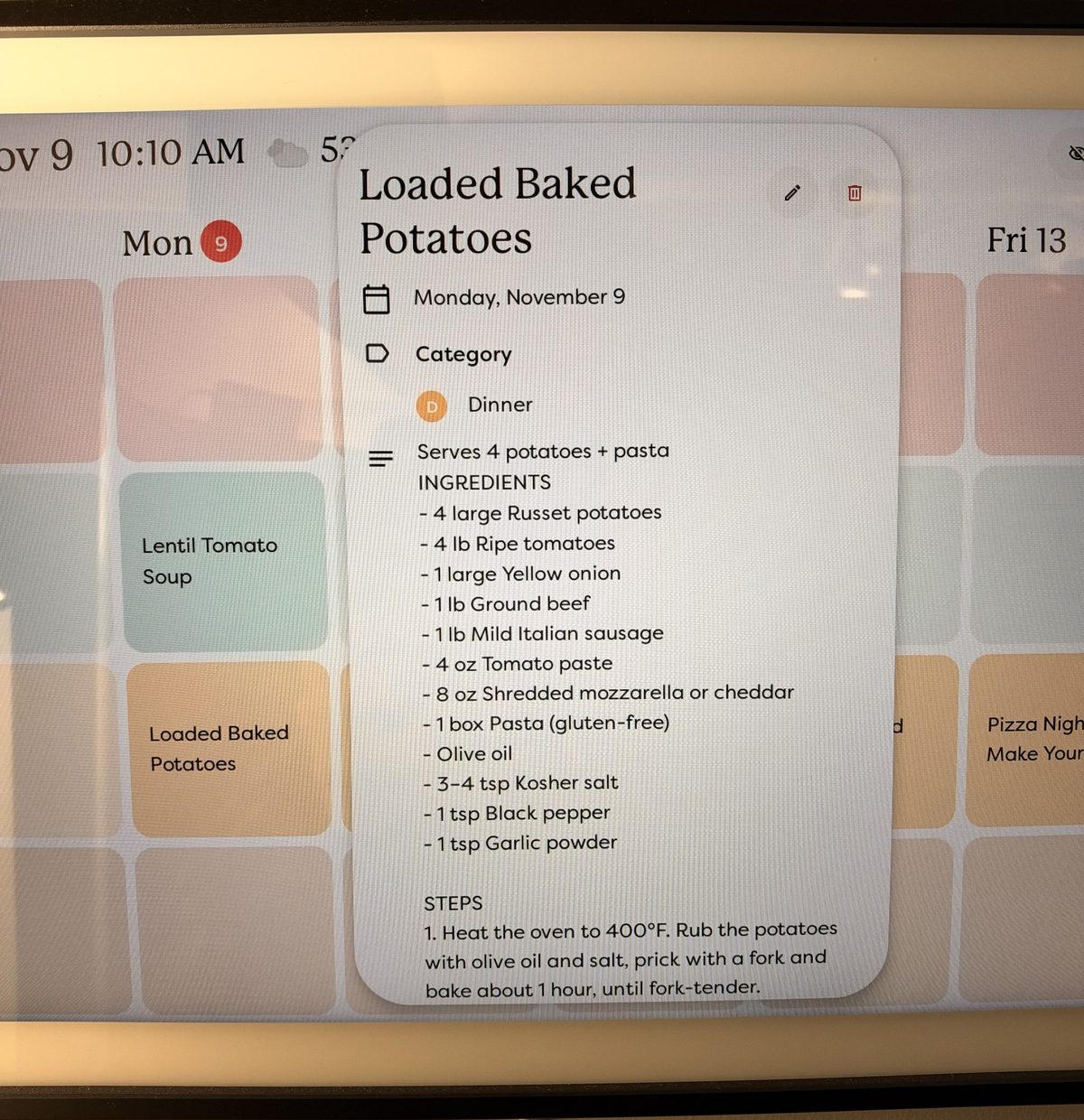
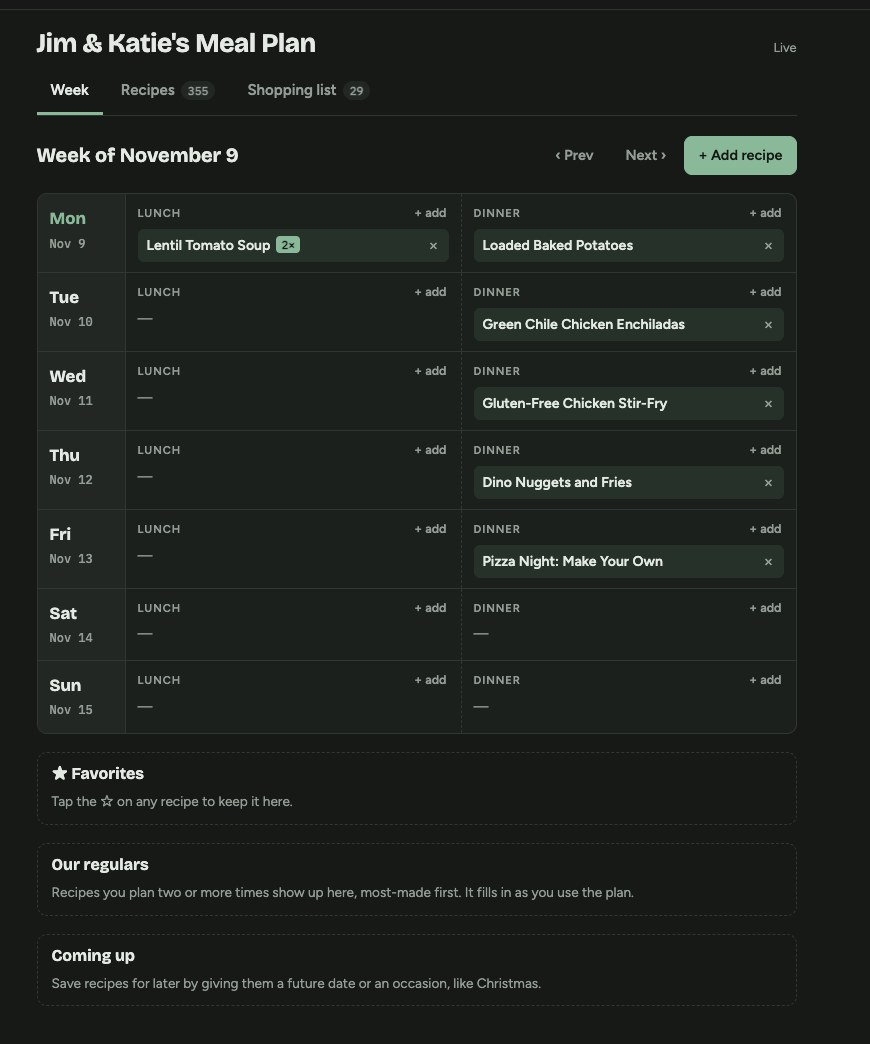
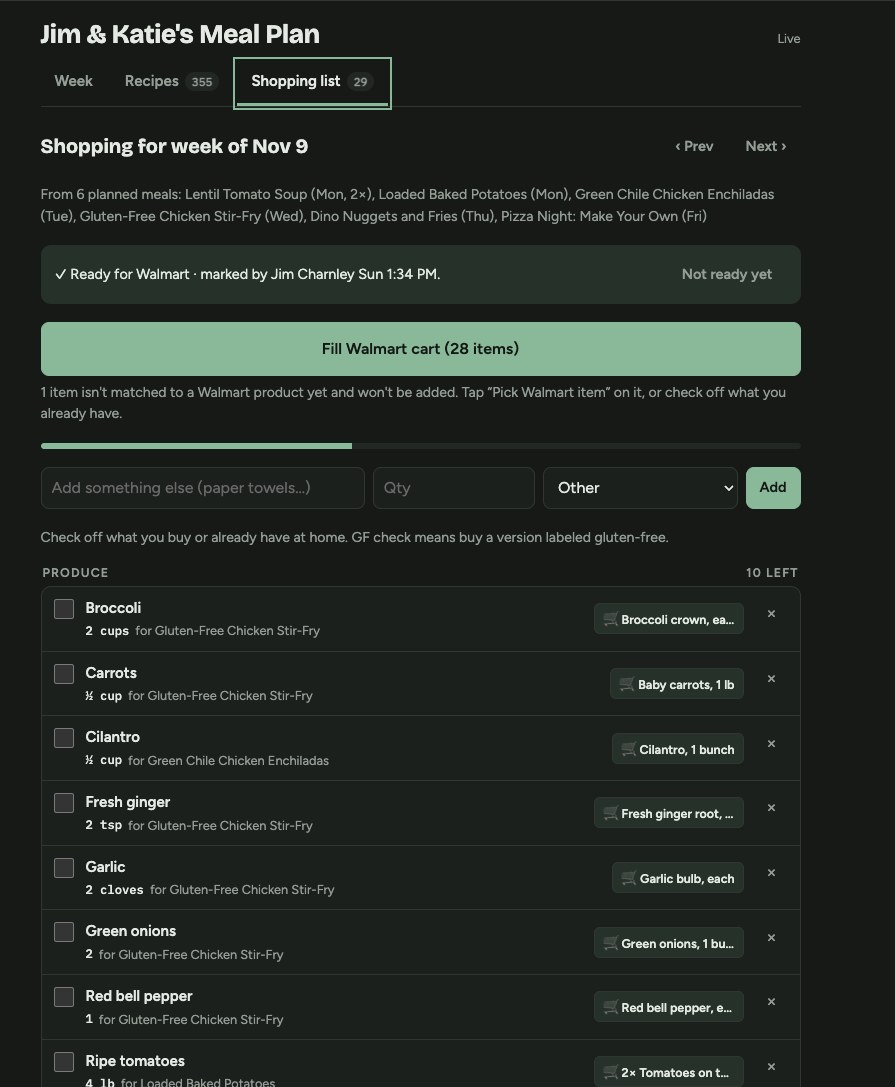
All of our recipes, 355 of them so far, live in one place and can be searched by name, ingredient or category. A new recipe can come in from a link or from a photo of a cookbook page. Once we pick the week's meals, the app builds the shopping list, notes which meal each item is for and flags anything we need to buy in a gluten-free version, which matters a lot in a house managing celiac. The list goes straight into a Walmart cart for delivery. The week's dinners sync to the Skylight calendar in the kitchen, so everyone knows what's coming and the recipe is right there on cooking night.
Claude wrote the code. We made the decisions.
I'm not a developer, and I didn't need to become one. What I did need was a clear picture of what was frustrating us. I knew which recipes we actually make, which store we order from, what the kids will eat on a Thursday and which ingredients can't come into the house unless they're labeled gluten-free. Claude didn't know any of that until we told it.
Every useful feature came from one of those conversations. The gluten-free flag exists because all of us read labels closely every time we shop. The Skylight sync exists because the kids kept asking what was for dinner. The software is good because the people describing the problem knew their own kitchen.
A business works the same way
I see the same pattern with small businesses. There is usually a process everyone dreads, and it's rarely hard because of any one step. It's hard because of the handoffs: an order gets retyped from email into a spreadsheet, the spreadsheet gets checked against inventory, and somebody remembers to tell the warehouse.
AI is very good at taking that kind of busywork off a small team. It can build the list, match the products and move information from one system to another without anyone retyping it. What it can't supply is the knowledge of your customers, your margins and the judgment calls your people make every day. Those stay with the people. The point of the tool is to give them back the hours they were spending on the handoffs.
Have a process like this? I help small businesses find the busywork AI can take off their plate, and build the tools to do it. Let’s talk →
Where to start
Pick the task your team puts off the longest. Write down every step, who touches it and every place the same information gets typed twice. That list is usually most of the way to a better tool, and it tells you where AI will help and where you still want a person making the call.
Got a task everyone dreads?
Tell me how it works today. I will tell you what I think could be automated and what should stay with your team.